
 Travel Advice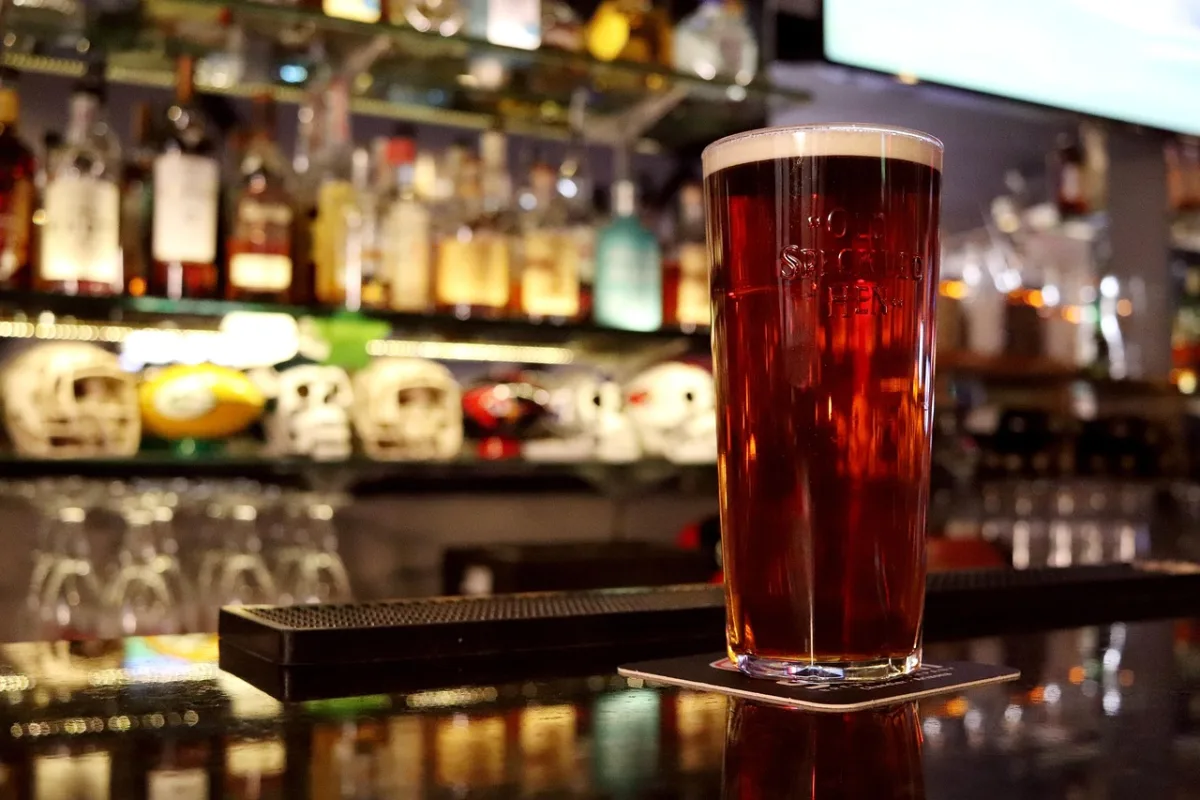
The British pub — short for "public house" — is one of the most important social institutions in the United Kingdom. More than just a place to drink, the pub is the community's living room, debating chamber and gathering point. Understanding pub culture, and knowing what to eat and drink while you're here, is central to experiencing Britain like a local.
Understanding British Pub Culture
In a British pub, you order your drinks at the bar — there is no table service in most traditional pubs. This is fundamental: find a spot, go to the bar, order your drinks and food (if available), pay, and carry your drinks back to your table. Tipping at the bar is not expected, though it is appreciated if you feel the service has been exceptional.
Pubs are typically open from 11:00 to 23:00 Monday to Saturday, and noon to 22:30 on Sundays. The traditional "last orders" bell at around 10:45pm is a beloved British institution. Many pubs now have extended licences, particularly in cities, but traditional closing times persist in rural areas.
What to Drink
The quintessential British drink is real ale — a traditional cask-conditioned beer served at cellar temperature (around 12°C) from a hand pump at the bar. It is not cold, and it is not gassy — and once you acquire the taste, nothing else will do. Ask the bar staff to recommend a local brew: most pubs stock at least two or three different ales from regional breweries.
If real ale is not your preference, British pubs serve an excellent range of lagers, ciders, wines and spirits. The cider options are particularly noteworthy in the West Country (Somerset, Devon, Herefordshire), where local farmhouse ciders are a revelation. Guinness is widely available and considered an art form to pour correctly — never rush a barman pouring a Guinness.
Classic British Pub Food
- Fish and Chips: The national dish. Battered white fish (cod or haddock) with chunky chips (thick-cut fried potato), served with mushy peas and tartar sauce. Best eaten from paper wrapping near the sea.
- Sunday Roast: The Sunday Roast — roast beef, lamb, chicken or pork with roast potatoes, Yorkshire pudding, seasonal vegetables and rich gravy — is the high point of the British culinary week. Book in advance at good pubs, especially in rural areas.
- Ploughman's Lunch: A cold plate of local cheese (Cheddar, Stilton, Red Leicester), pickled onions, chutney and crusty bread. Simple, satisfying and authentically British.
- Scotch Egg: A hard-boiled egg wrapped in seasoned sausage meat and breadcrumbs, then deep-fried. A perfect pub snack, best eaten slightly warm.
- Cornish Pasty: A D-shaped shortcrust pastry parcel filled with beef, potato, swede and onion. Originating in the mining communities of Cornwall, it is now beloved across the country.
Finding the Best Pubs
The authoritative guide to British pubs is the CAMRA Good Beer Guide, published annually by the Campaign for Real Ale. Any pub listed in the Good Beer Guide is guaranteed to serve well-kept real ale. In London, look for traditional Victorian gin palaces in Clerkenwell and Holborn; in the countryside, seek out ancient stone-built coaching inns. The further you get from tourist areas, the more authentic and better-value the pub experience will be.