
 Travel Advice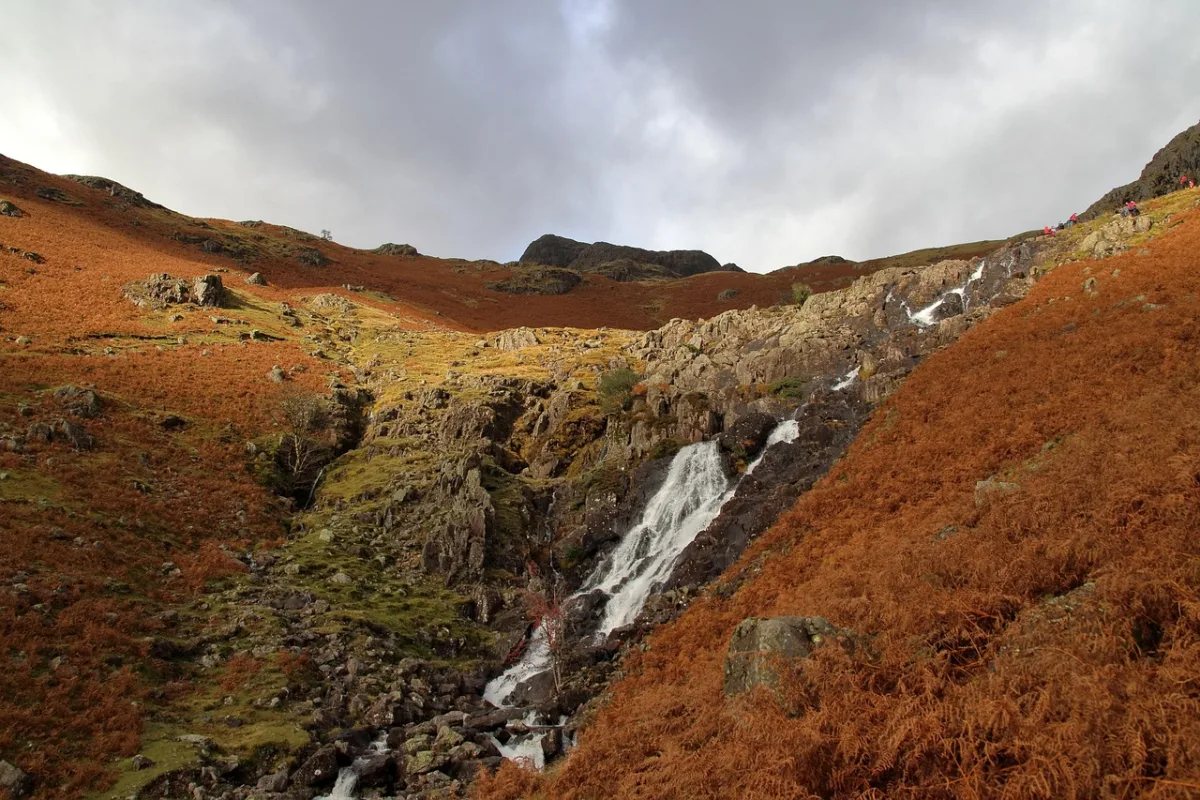
Britain's countryside is extraordinary — a mosaic of ancient landscapes shaped by millennia of human habitation, glacial geography and outstanding natural beauty. From the gentle rolling hills of the Cotswolds to the dramatic peaks of Snowdonia and the vast, empty moorlands of the Yorkshire Dales, the UK offers some of the finest walking in Europe at every level of difficulty and fitness.
The National Trail Network
England, Wales and Scotland maintain an extensive network of National Trails — long-distance walking routes that are clearly waymarked and maintained to an excellent standard. Notable highlights include:
- The Cotswold Way (164km): Follows the limestone escarpment of the Cotswolds from Chipping Campden to Bath, passing through quintessential English villages, ancient woodland and rolling farmland. Suitable for all fitness levels on a section-by-section basis.
- The South West Coast Path (1,014km): England's longest National Trail hugs the coastline from Minehead in Somerset all the way round to Poole in Dorset. Even a short section offers breathtaking Atlantic cliff scenery.
- Offa's Dyke Path (285km): Follows the ancient earthwork built by King Offa of Mercia along the England-Wales border, through some of Britain's most varied and beautiful landscapes.
- The Pennine Way (429km): England's first and most challenging National Trail crosses the spine of the Pennines from Derbyshire to the Scottish Borders. Not for the faint-hearted, but supremely rewarding.
The Lake District
The Lake District National Park in Cumbria is England's largest national park and the jewel of English walking country. The 16 lakes (technically only one — Bassenthwaite Lake — is called a "lake"; the rest are "waters" or "meres") are set between England's highest mountains, including Scafell Pike (978m) — the highest point in England.
The lakes offer walking at all levels: gentle lakeside paths around Windermere and Coniston Water are suitable for all ages and abilities, while the ridge walks of the Central Fells offer more demanding routes with spectacular 360-degree panoramas. The walking writer Alfred Wainwright catalogued 214 distinct fells in his beloved illustrated guides — completing all 214 "Wainwrights" is a rite of passage for serious walkers.
Snowdonia and the Welsh Mountains
Snowdonia National Park in north Wales contains the highest mountain in England and Wales: Mount Snowdon at 1,085 metres. Six official walking routes lead to the summit, ranging from the popular but challenging Llanberis Path to the more dramatic and exposed Crib Goch ridge. For those who prefer not to walk, the Snowdon Mountain Railway operates seasonal steam and diesel-hauled trains to the summit.
Essential Walking Tips for Britain
- Always carry appropriate waterproofs — British weather is famously unpredictable at any altitude.
- Wear proper walking boots with ankle support for any route above 300 metres.
- Carry the relevant Ordnance Survey map (1:25,000 scale for mountain routes) and know how to use a compass.
- Follow the Country Code: leave gates as you find them, keep dogs under close control near livestock, leave no litter.
- Always tell someone your planned route and expected return time.
- In the mountains, learn to check the Mountain Weather Information Service (MWIS) forecast before setting out.
Walking Holidays: Guided vs. Self-Guided
For visitors unfamiliar with British walking conditions, a guided walking holiday with an experienced local guide is often the best introduction. Our tour packages incorporate walking at various levels — from the gentle guided strolls of the Cotswolds Retreat to the more adventurous hikes of the Scottish Highlands Adventure. Our guides know every path intimately and can tailor the day to the group's ability and conditions.